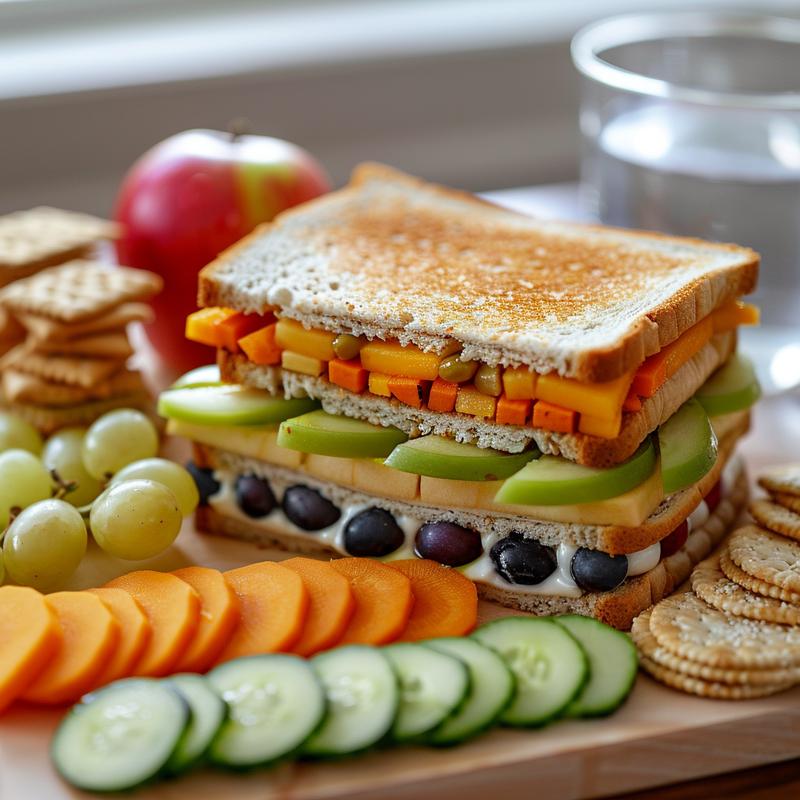

Hey there, friend! It’s Tata, and let’s talk about something near and dear to my heart: school lunches. If you’re anything like me, the thought of packing a lunch your child will actually *eat* can feel like a daily challenge. But don’t worry, I’m here to share some tips, tricks, and even a few simple recipes to make school lunches a breeze. We’re talking healthy, delicious, and kid-approved – the trifecta of lunchbox success!
We all want our kids to thrive, and a nutritious lunch is a huge part of that. Let’s ditch the stress and pack lunches that fuel their bodies and minds, all while bringing a smile to their faces. Sound good? Let’s get started!
Why You’ll Love This Approach to School Lunches
I get it. Life is busy! That’s why I’m all about making things easier, not harder. This approach to school lunches is all about:
- Simplicity: No complicated recipes or fancy ingredients required.
- Health: Focusing on whole foods and balanced meals.
- Customization: Tailoring lunches to your child’s preferences.
- Less Waste: Using reusable containers and minimizing single-use packaging.
- Happy Kids: Lunches they’ll actually look forward to eating!
If you’re thinking, “This sounds too good to be true!” trust me, it’s not. It just takes a little planning and preparation, and I’m here to guide you every step of the way.
The Essential Ingredients for a Rockin’ School Lunch
Think of packing a lunch like building a balanced meal. We need a little bit of everything to keep those little brains and bodies going strong. Here’s a breakdown of the key components:
- Main Course (sandwich, wrap, leftovers, etc.): This is the star of the show. It provides the bulk of the calories and protein.
- Fruit (apple slices, grapes, berries, etc.): A naturally sweet and nutritious treat packed with vitamins and fiber.
- Vegetable (carrot sticks, cucumber slices, bell pepper strips, etc.): Adds crunch, vitamins, and helps balance out the sweetness of the fruit.
- Snack (crackers, yogurt, granola bar, trail mix, etc.): A little something to tide them over between lunch and the afternoon.
- Drink (water, juice box, milk box, etc.): Hydration is key! Water is always the best choice, but other options can work in moderation.
- Napkin: For those inevitable spills and messes.
- Utensils (spoon, fork): Depending on the main course and sides.
- Optional: Small treat (cookie, piece of chocolate): A little something special to end the meal on a happy note. This is optional, but a small treat can make lunch feel more fun and exciting.
Remember, the best lunch is one your child will actually eat. So, involve them in the process! Ask them what they like, and let them help with the packing (age-appropriate, of course). If you re struggling for ideas, consider some of my favorite recipes like Avocado Toast with Egg or Healthy Chicken and Broccoli Chinese Takeout – both are delicious and easy to pack!
Step-by-Step: Packing the Perfect School Lunch
Okay, let’s break down the actual packing process. It’s easier than you think!
- Choose a main course: Consider your child’s preferences and dietary needs. Prepare the main course the night before or in the morning. If you’re making a sandwich, use whole-wheat bread for added fiber. If you’re sending leftovers, make sure they’re properly cooled and stored.
- Select a fruit and vegetable: Wash and cut the fruit and vegetables into manageable pieces. Carrot sticks, cucumber slices, bell pepper strips, apple slices, grapes, and berries are all great options. If you re sending apple slices, toss them with a little lemon juice to prevent browning.
- Add a healthy snack: Choose a snack that is both nutritious and appealing to your child. Crackers, yogurt, granola bars, trail mix, and cheese sticks are all good choices. Look for snacks that are low in sugar and high in fiber.
- Pack a drink: Water is always a great option. Limit sugary drinks like juice and soda. Milk boxes are also a good source of calcium.
- Pack the lunchbox: Arrange the food items in the lunchbox, using containers or reusable bags to keep items fresh and separate. Include a napkin and utensils. A well-organized lunchbox is more appealing and makes it easier for your child to find what they’re looking for.
- Add a note (optional): A short note or drawing can brighten your child’s day. A little encouragement or a simple “I love you” can go a long way.
- Keep it cool: Use an ice pack to keep perishable items cold and safe to eat. Food safety is important, so make sure everything stays at a safe temperature until lunchtime.
Pro Tips for Lunchbox Success
Want to take your lunch-packing game to the next level? Here are a few extra tips and tricks:
- Get organized: Designate a specific area in your kitchen for lunch-packing supplies. This will save you time and frustration in the morning.
- Prep ahead: Chop vegetables, portion out snacks, and make sandwiches the night before. The more you can do in advance, the smoother your mornings will be.
- Use reusable containers: They’re better for the environment and save you money in the long run. Plus, they help keep food fresh and prevent leaks.
- Invest in a good lunchbox: Look for one that is insulated, easy to clean, and has enough space for all the essentials.
- Involve your child: Let them help with the packing process, choose their snacks, and decorate their lunchbox. This will make them more excited about their lunch and more likely to eat it.
- Don’t be afraid to experiment: Try new recipes, introduce new foods, and see what your child likes. Lunchtime is a great opportunity to expand their palate.
Common Mistakes to Avoid
We all make mistakes, but knowing what to avoid can save you time, money, and frustration. Here are a few common lunch-packing mistakes:
- Packing too much food: It’s better to pack a little less than too much. You can always add more if your child is still hungry.
- Packing the same thing every day: Variety is the spice of life! Keep things interesting by rotating the main course, snacks, and sides.
- Forgetting to include a drink: Hydration is important, especially during the school day.
- Not keeping food cold enough: Perishable items need to stay cold to prevent bacteria growth.
- Ignoring your child’s preferences: Pack foods that your child actually likes to eat. Otherwise, it will just end up in the trash.
Lunchbox Variations to Keep Things Interesting
Stuck in a lunch-packing rut? Here are a few ideas to spice things up:
- Theme lunches: Create a lunchbox based on a specific theme, such as Mexican, Italian, or Asian.
- Bento boxes: Use a bento box to create a visually appealing and well-balanced meal.
- DIY lunches: Let your child assemble their own lunch at school. Pack the ingredients separately and let them put it together themselves.
- Salad jars: Layer salad ingredients in a jar for a healthy and refreshing lunch.
- Soup thermos: Pack a warm bowl of soup in a thermos for a cozy and comforting lunch.
How to Store Leftovers and Pack Ahead
Proper storage is key to keeping food fresh and safe. Here are a few tips:
- Cool leftovers quickly: Don’t let leftovers sit at room temperature for more than two hours.
- Store leftovers in airtight containers: This will prevent them from drying out and absorbing odors.
- Label and date leftovers: This will help you keep track of how long they’ve been in the refrigerator.
- Pack ahead the night before: This will save you time and stress in the morning.
- Use freezer-safe containers: If you’re planning to freeze leftovers, use containers that are specifically designed for freezing.
Frequently Asked Questions (FAQ)
Got questions? I’ve got answers!
- Q: How can I keep sandwiches from getting soggy?
A: Spread a thin layer of butter or mayonnaise on the bread to create a barrier between the bread and the fillings. You can also pack the fillings separately and let your child assemble the sandwich at school. - Q: What are some healthy snack options?
A: Some healthy snack options include fruits, vegetables, yogurt, granola bars, trail mix, cheese sticks, and whole-grain crackers. - Q: How can I get my child to eat more vegetables?
A: Offer vegetables with a dip, such as hummus or ranch dressing. You can also add vegetables to sandwiches, wraps, or salads. - Q: How can I pack a lunch that is both healthy and affordable?
A: Focus on whole foods, such as fruits, vegetables, and whole grains. Buy in bulk and pack your own snacks. - Q: What if my child has allergies?
A: Always read labels carefully and avoid foods that contain allergens. Pack a separate lunchbox for your child to prevent cross-contamination.
Serving Suggestions and Presentation
Presentation matters! A well-presented lunch is more appealing and makes it more likely that your child will eat it.
- Use colorful containers and utensils: Bright colors can make lunch more fun and exciting.
- Cut sandwiches into fun shapes: Use cookie cutters to create interesting shapes.
- Arrange food items in an appealing way: A little bit of effort can go a long way.
- Add a small note or drawing: A personal touch can make lunch feel more special.
So there you have it, my friend! Everything you need to pack a healthy and delicious school lunch that your child will actually enjoy. Remember, it’s all about balance, variety, and a little bit of love. You can do it! And if you re looking for more inspiration, don t forget to check out my other recipes. Happy lunch-packing!
If you find that you re constantly throwing away uneaten lunches, it s time to re-evaluate. Talk to your child about what they like and dislike. This recipe is designed to be a starting point, and you can definitely tailor it to your child’s specific needs. If you’ve got a picky eater on your hands, don t despair! There are plenty of ways to make healthy food appealing. This slow and steady approach can make a big difference. I ve seen it work wonders with my own family.
And remember, it’s not just about the food itself; it’s about the message you’re sending. Packing a healthy lunch shows your child that you care about their well-being. It’s a small act of love that can have a big impact. So go ahead, pack that lunch with a smile, and know that you’re doing something amazing for your child. That s what it’s all about!
If you re looking for ways to sneak in extra nutrients, consider adding things like flax seeds or chia seeds to their yogurt or oatmeal. They re virtually tasteless and packed with goodness. And if you re sending a sandwich, try using whole-wheat bread or adding some shredded carrots or zucchini to the filling. Every little bit helps! If you re feeling adventurous, you can even try making your own bread or crackers. It s easier than you might think, and it allows you to control the ingredients. That s a great way to avoid processed foods and added sugars.
This slow cooker method for preparing certain lunch components can also be a lifesaver. You can throw everything in the slow cooker in the morning and have a delicious and healthy main course ready to pack by lunchtime. Think of things like pulled chicken, shredded beef, or even a hearty vegetable stew. The possibilities are endless!
Remember, consistency is key. The more you practice these tips and tricks, the easier it will become. Soon, you’ll be packing healthy and delicious school lunches without even thinking about it. And that’s a pretty great feeling!
And if you re ever feeling overwhelmed, just remember that you’re not alone. We’re all in this together. So reach out to other parents, share your tips and tricks, and support each other along the way. That s what community is all about!
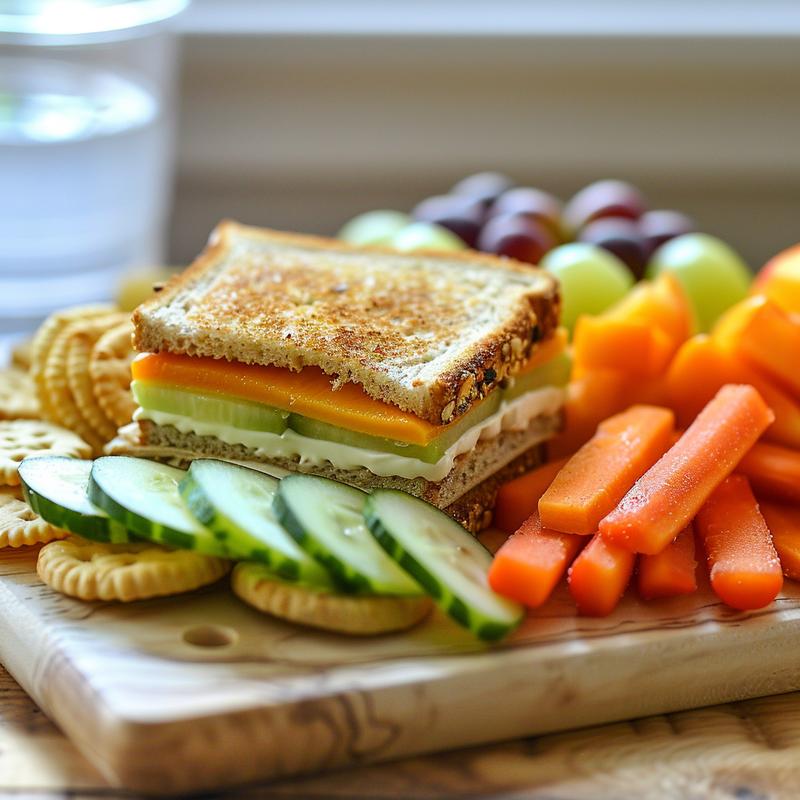

How to pack a school lunch for your child
Ingredients
Method
- Choose a main course based on your child's preferences.
- Select a fruit and vegetable; wash and cut into pieces.
- Add a healthy and appealing snack.
- Pack a drink, preferably water.
- Arrange food in the lunchbox with a napkin and utensils.
- Add a note (optional).
- Use an ice pack to keep food cold.
Notes
Loved this recipe? Save it to your favorite Pinterest board so you can easily find it later! ✨